

Fused Deposition Modeling (FDM)
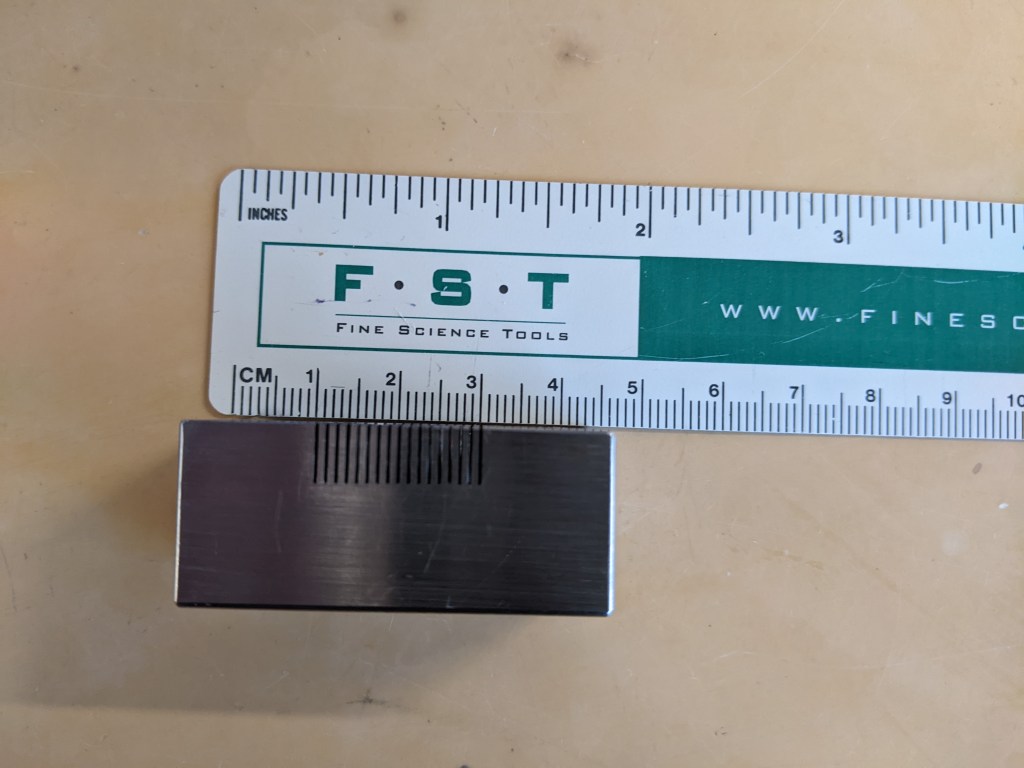
Fused Deposition Modeling technology “draws” a 2.5D line of material onto the build-plate to build up the layers or slices of the model. this is how a 3d model is able to be printed.
Printing volumes: 250 x 250 x 250 mm, high temp 500 x 500 x 500 mm
Materials: ABS, ASA, PETG, PLA, TPU, Nylon, PC, PPS, PEI, PEEK
Standard Dimensional Accuracy: ± 0.25% with a lower limit of ± 0.15 mm (± 0.010″)
Post Processing Options: Sanding, Painting, Threading, Vapor smoothing, mechanical polishing.
Design considerations:
- FDM allows for mixing of colors or materials while retaining great part strength giving flexibility to make complex parts with inside channels or engraved lettering.
- Requires support material for any geometry at 45 degrees relative to the build plate. there are options between soluble and break away supports
- details like lettering smaller than 0.3mm will not show very well or at all when printing.
Applications:
- Low to mid volume production (100s to 1,000s+) of small, medium, and large parts (50mm, 150mm, 300mm)
- Low cost prototyping of initial concept design to full production parts depending on material or application.
Stereolithography (SLA)
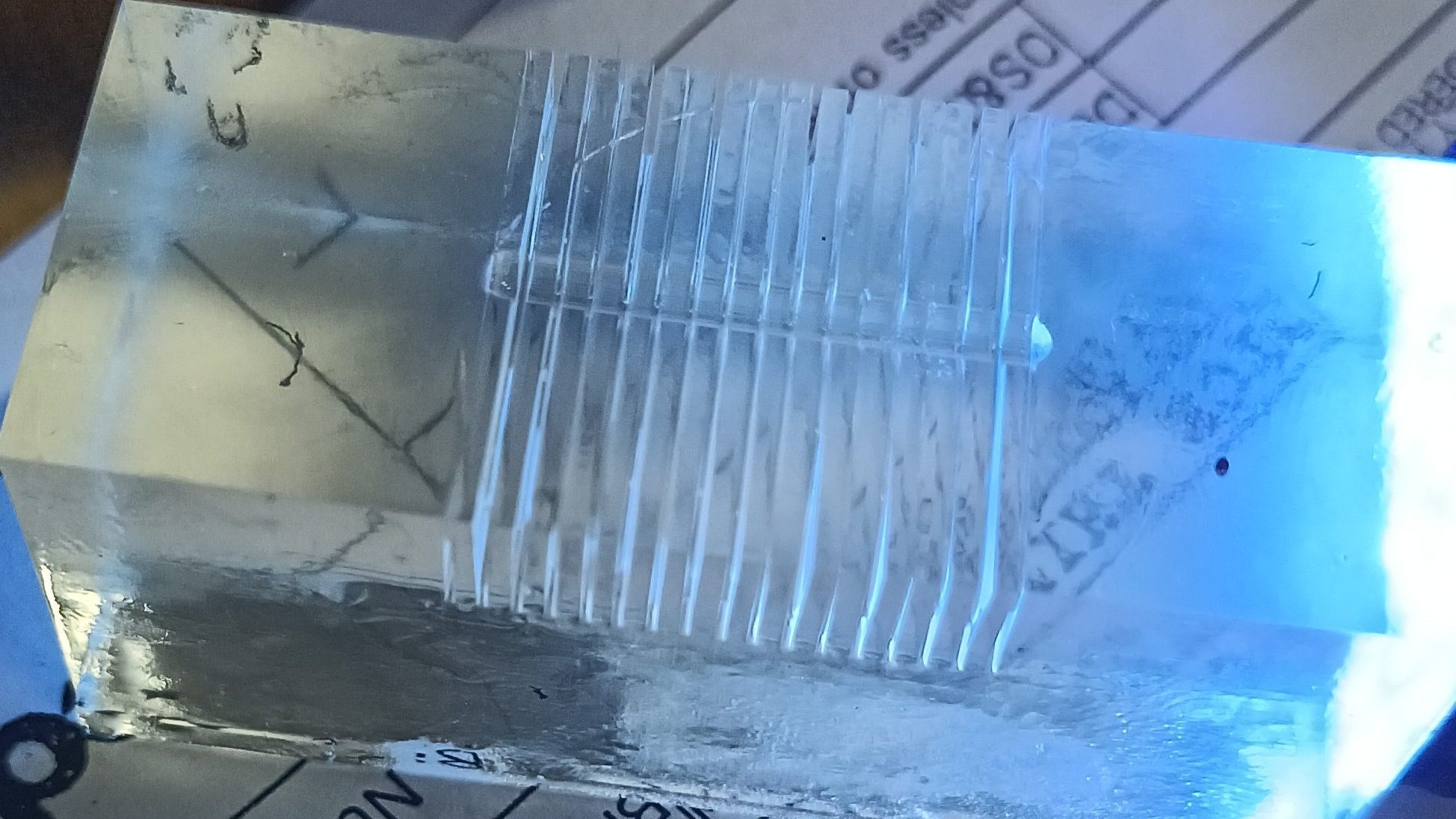
Stereo-lithography based modeling draws very similarly to FDM based printing, but does so with a masking layer to print with the use of a laser line to draw each pixel. this allows for far higher resolutions going down to sub 20 micron range for unparalleled detailing.
Printing volumes: 192 x 120 x 200 mm, 200 x 400 x 400 mm
Materials: ABS-like, Nylon-like, Clear, PEEK-like, PP-like
Standard Dimensional Accuracy: ± 0.10% with a lower limit of ± 0.05 mm (± 0.003″)
Post Processing Options: Sanding, Painting, Threading, mechanical polishing.
Design considerations:
- We have many engineering grade resins that behave very similarly to standard manufacturing plastics.
- Almost all parts with overhangs above 50 degrees will require thin needle like supports that may leave surface pitting. this can be avoided by building the model in a optimized way to avoid supports or the pitting can be removed during post process.
- The technology can generate extreme accuracy, but due to the nature of resins and their curing stage warping may occur during the final curing process depending on the size of the part.
- Parts need to be hollowed out depending on the geometry due to the nature of printing with liquid resins, the holes will be closed during post processing, unless printed solid.
Applications:
- Small parts below 100mm for high detail or high accuracy.
- Custom jewelry, casting molds, guides, injection mold prototypes, etc.
Get in Touch
Don’t hesitate to reach out with the contact information below, or send a message using the form.


 BOSQUEZ 3D